Legitimate Deductions Every Employee Should Know
Discover which expenses you can legally deduct from your taxable income. We’ll clarify what counts and what doesn’t under LHDN rules.

Understanding Your Tax Deductions
Tax season doesn’t have to be confusing. Most salaried employees miss out on legitimate deductions simply because they’re not sure what qualifies. The difference between knowing your deductions and not knowing them? It could be thousands of ringgit in your pocket at the end of the year.
LHDN (Inland Revenue Board of Malaysia) allows specific expenses to reduce your taxable income. We’re not talking about complicated loopholes — these are straightforward deductions that the government actually encourages. The key is understanding the categories and keeping proper documentation.

Main Deduction Categories You Can Claim
LHDN recognizes several deduction categories for salaried employees. Here’s what actually works.
Education & Professional Development
Course fees, professional certifications, and continuing education directly related to your job. This includes fees for accounting courses, IT certifications, or industry-specific training programs. You’ll need proof of enrollment and completion.
Home Office & Equipment
If you work from home, you can deduct a portion of your home office expenses — but only the percentage of your home actually used for work. Most people calculate between 10-20%. Furniture, lighting, and office equipment also qualify.
Work-Related Travel
Vehicle expenses for traveling between work locations, client meetings, or business conferences. You can’t deduct commuting from home to office, but travel between job sites absolutely counts. Keep a logbook with dates and distances.
Professional Expenses
Union fees, professional body memberships, and required licenses. If you’re an engineer, accountant, or doctor, your annual registration with your professional body is deductible. Same applies to bar associations or medical councils.
Books & Reference Materials
Professional journals, textbooks, and reference materials needed for your work. Software subscriptions for work purposes also fall here. A RM200 technical book or RM120 annual software license directly supports your job performance.
Technology & Internet
Internet bills, phone plans, and technology devices used for work. You’ll need to claim the percentage used for business — not 100% if you also use it personally. Most people claim 40-60% for mixed-use devices.
Documentation is Everything
Here’s the reality: LHDN doesn’t take your word for it. You’ll need proof. That means receipts, invoices, bank statements, and clear records showing the expense is work-related. Don’t just toss receipts in a drawer and hope — organize them by category.
What should you keep? Receipts for course fees, enrollment letters from training providers, utility bills showing the home office percentage, mileage logs with dates and purposes, professional membership invoices, and bank statements showing payments. Digital copies work fine, but they need to be clear and legible.
Pro tip: Keep records for at least 5 years. LHDN can audit your returns going back that far, and you’ll need to prove every deduction you claimed.
The biggest mistake employees make? Claiming deductions they can’t actually justify. You might think you’ll remember that RM800 course later, but when you’re filing your return months afterward, you won’t have the enrollment letter. Keep everything organized as you go.

Common Mistakes to Avoid
These errors could cost you deductions or trigger audit flags.
Claiming Personal Expenses as Work Expenses
Your daily lunch? Personal. Gym membership to stay healthy? Personal. New work clothes? Sometimes deductible if they’re specialized (like a nurse’s uniform), but regular business attire isn’t. Be honest about what’s actually required for your job.
Deducting Without Documentation
You attended three conferences last year but only have receipts for two? LHDN won’t accept the third. They want proof of payment, registration confirmation, and sometimes proof of attendance. Don’t estimate or round up expenses.
Ignoring the Work-Related Connection
A software subscription is only deductible if you use it for work. That fancy editing software? Only if your job requires it. Keep records showing the business purpose. Generic software like Microsoft Office is trickier — you’ll need to show it’s essential to your role.
Overclaiming Home Office Expenses
The most common red flag. Your home office is 150 square feet but you’re claiming it’s 40% of your 300 square foot house? That’s obvious. Be realistic. Calculate the actual percentage, measure your space, and document it.
How to Claim Your Deductions
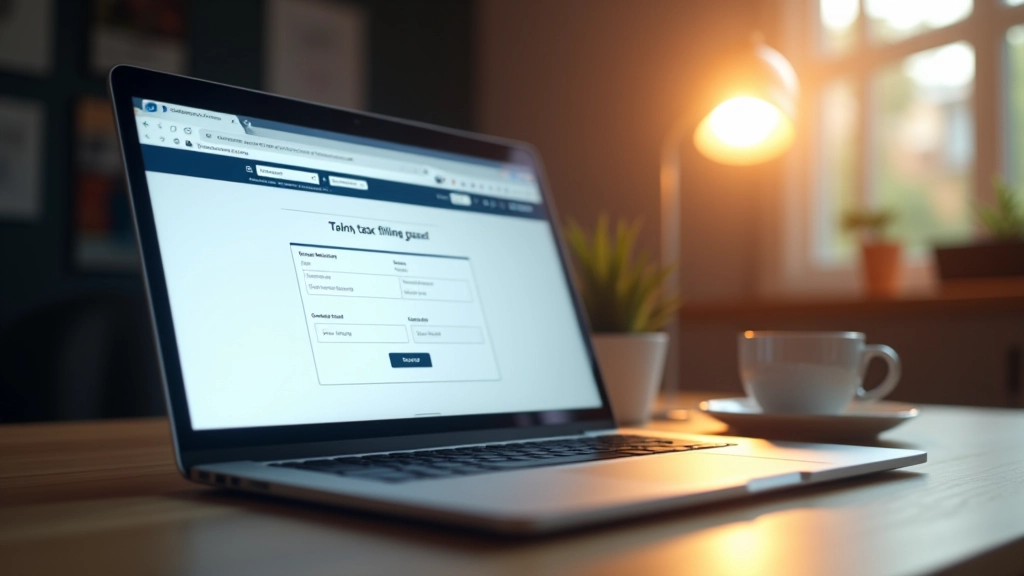
Filing through e-Filing makes this straightforward. When you log into your LHDN account, you’ll see a section for “Reliefs and Deductions.” Here’s where you list everything. But don’t claim anything you can’t prove.
You’ll typically see categories already listed: Education, Professional Fees, Donations, and others. Match your expenses to the right category. If you’re unsure whether something qualifies, check LHDN’s official website or call their hotline — it’s better to ask than to claim something that triggers a review.
After you submit, keep your documentation organized at home. You don’t need to upload receipts to LHDN, but you must keep them if they request an audit. Most audits happen randomly, but some are triggered by unusually high deductions relative to your income, so don’t claim RM20,000 in professional development on a RM40,000 salary.
The Bottom Line
You’re entitled to claim legitimate work-related expenses. That’s not tax avoidance — it’s tax planning. The government actually wants you to claim what you’re eligible for. The issue isn’t claiming too much; it’s that many employees claim too little because they’re unsure.
Start simple. Gather your receipts from last year and sort them by category. Did you take any courses? Professional memberships? Work from home? Bought equipment for your job? Those are your starting points. Document everything clearly, and don’t claim anything you can’t back up with proof.
Your tax return is your opportunity to optimize what you pay. Used correctly, deductions are one of the legitimate ways to reduce your tax burden while staying completely within LHDN guidelines.
Important Disclaimer
This article provides educational information about tax deductions in Malaysia under LHDN guidelines. It’s not professional tax advice, and tax regulations change regularly. Individual circumstances vary widely — what applies to one person might not apply to another. Always consult with a qualified tax advisor or certified accountant before claiming deductions or filing your tax return. LHDN’s official guidelines and publications are your authoritative source for current rules and requirements.